
Legacy Application Maintenance & Upgrades for Stable, Secure, and Modern-Ready Systems
Legacy applications continue to run essential business operations, but without structured maintenance and controlled upgrades, they become sources of risk, inefficiency, and operational disruption. Our legacy application maintenance services help organizations keep existing systems stable, secure, and compliant while preparing them for phased modernization.
 NDA ProtectedClient-Owned IPEnterprise ArchitectureNDA ProtectedClient-Owned IPEnterprise ArchitectureNDA ProtectedClient-Owned IPEnterprise Architecture


Built for IT leaders and operations teams responsible for maintaining business-critical legacy systems while planning safe, phased modernization.

Challenges with Legacy Application Systems

Effective maintenance is not break-fix support. It is a planned effort to preserve system value today while enabling safe, low-risk upgrades for tomorrow - before system failures force the issue.
Our Legacy Application Maintenance & Upgrade Services
We provide structured legacy application maintenance services designed to extend system life, reduce operational risk, and support controlled modernization aligned with business priorities.
System Stability and Monitoring
Maintenance keeps applications stable, secure, and aligned with current operational requirements. This includes monitoring system health, identifying degradation patterns before they cause outages, and implementing fixes that prevent unplanned disruptions and downtime.
Upgrades and Version Updates
Planned upgrades bring legacy systems in line with supported platforms, dependencies, and security standards. Updates are executed with controlled rollout strategies to minimize operational risk while improving compatibility and long-term supportability.
Performance Optimization and Technical Debt Reduction
Performance issues and accumulated technical debt are closely connected - systems burdened by poorly structured code often struggle under real-world workloads long before the architecture is formally reviewed. We address both together: refactoring code to reduce complexity and maintenance overhead, while identifying and resolving the bottlenecks, inefficiencies, and stability issues that affect day-to-day responsiveness and reliability. Improvements are validated against actual operating conditions, not synthetic benchmarks, so the gains reflect production reality.
Security Patching and Compliance Updates
Security patching and compliance updates reduce exposure to vulnerabilities and regulatory risk. Updates are prioritized based on business impact and threat severity, ensuring critical risks are addressed without unnecessary disruption to operations.
Phased Modernization
Modernization is delivered in controlled phases rather than forced rewrites. Incremental improvements enhance functionality, integration capability, and readiness for future evolution while preserving the value already embedded in existing systems.
Infrastructure Modernization
Ageing infrastructure creates compounding risk for the systems that run on top of it. We assess on-premise, hybrid, and cloud environments to identify where infrastructure constraints are limiting system performance, security posture, or upgrade capability - then deliver targeted improvements that address those constraints without disrupting active operations.
Technology Upgradation
Outdated frameworks, deprecated libraries, and unsupported runtimes increase maintenance overhead and reduce long-term stability. We manage structured technology upgrades - replacing end-of-life components, migrating to supported versions, and aligning systems with current platform standards - without introducing unnecessary disruption to live operations.
User Experience - UX/UI Modernization
Legacy interfaces built for older workflows often slow down users and reduce adoption of systems that are otherwise still functionally sound. We modernize front-end interfaces and user journeys to align with current usability standards - improving operational efficiency and user satisfaction without requiring a full application rebuild.
Continuous Upgrades
Legacy systems that rely on infrequent, large-scale upgrade cycles carry higher risk and greater disruption than systems maintained through steady, incremental improvement. We support continuous upgrade programmes that introduce changes in smaller, validated increments - reducing the risk of each individual update while ensuring systems remain current, secure, and aligned with evolving business requirements.
For organisations that require dedicated development capacity for ongoing maintenance or upgrade initiatives, we also offer the option to hire react native developer who specialise in legacy system environments.
When to Choose Legacy Application Maintenance & Upgrades
When Maintenance and Upgrades Are the Right Approach
Legacy application maintenance is the correct path when existing systems still support critical business operations but are showing signs of performance degradation, rising maintenance costs, security exposure, or integration limitations. It is the right choice when the cost and disruption of a full system replacement outweigh the benefits, or when business continuity requirements make phased improvement the safer and more responsible option.
When System Replacement or Migration Is More Effective
Maintenance is not the right path when the existing system's architecture is fundamentally misaligned with current business needs, when the codebase can no longer be safely modified, or when ongoing maintenance costs consistently exceed the value the system delivers. In those cases, a structured migration or full rebuild - planned with the same discipline - is the more effective investment.
For most organisations, however, structured maintenance and controlled upgrades extend system life, reduce operational risk, and preserve the investment already made in existing infrastructure.
Consulting-Led Maintenance & Modernization Approach
Moving from Reactive Fixes to Structured Maintenance Strategy
Effective legacy application maintenance requires strategic planning and decision clarity rather than reactive fixes. Our consulting-led approach focuses on understanding system dependencies, identifying operational risk, and determining the right balance between maintaining existing functionality and enabling future improvement.
System Health Assessment
We begin by assessing overall system health, accumulated technical debt, and areas of operational exposure. This assessment determines which components require immediate attention, which can remain stable with routine maintenance, and which should be considered for refactoring or controlled upgrades.
Maintenance and Modernization Planning
Based on assessment findings, we define a maintenance and modernization plan aligned with business priorities. The plan establishes clear decision criteria for what to maintain, when to upgrade, and how to phase improvements without disrupting live operations or introducing new risk. In some cases, this also includes evaluating AI-based enhancements where they can extend system capability without requiring full replacement.
Risk-Based Decision Making
Maintenance efforts are guided by business requirements rather than technical preference. Decisions weigh the risk of deferred maintenance against the cost and disruption of premature replacement. Improvements are introduced in controlled phases - each validated before the next begins - to extend system life and reduce technical debt without exposing the organisation to unnecessary operational disruption.
Moving from Reactive Fixes to Structured Maintenance Strategy
Effective legacy application maintenance requires strategic planning and decision clarity rather than reactive fixes. Our consulting-led approach focuses on understanding system dependencies, identifying operational risk, and determining the right balance between maintaining existing functionality and enabling future improvement.
System Health Assessment
We begin by assessing overall system health, accumulated technical debt, and areas of operational exposure. This assessment determines which components require immediate attention, which can remain stable with routine maintenance, and which should be considered for refactoring or controlled upgrades.
Maintenance and Modernization Planning
Based on assessment findings, we define a maintenance and modernization plan aligned with business priorities. The plan establishes clear decision criteria for what to maintain, when to upgrade, and how to phase improvements without disrupting live operations or introducing new risk. In some cases, this also includes evaluating AI-based enhancements where they can extend system capability without requiring full replacement.
Risk-Based Decision Making
Maintenance efforts are guided by business requirements rather than technical preference. Decisions weigh the risk of deferred maintenance against the cost and disruption of premature replacement. Improvements are introduced in controlled phases - each validated before the next begins - to extend system life and reduce technical debt without exposing the organisation to unnecessary operational disruption.
This approach minimizes unplanned outages, avoids emergency interventions, and provides predictable visibility into system health, positioning legacy applications for safe evolution as the organisation's needs change.


Engagement Models We Offer
We offer engagement models designed to align with how organizations plan, budget, and execute legacy application maintenance and modernization initiatives.

Dedicated Legacy Application Maintenance Developers
For organisations with mission-critical legacy systems that require continuous oversight, dedicated maintenance developers provide the sustained attention and institutional knowledge that project-based rotations cannot. This model is the right fit when system complexity demands familiarity with the codebase, when unplanned downtime carries significant business cost, and when proactive monitoring and incremental improvement need to operate on a continuous basis rather than in isolated interventions.

Project-Based Development
When the objective is a specific refactoring initiative, a targeted upgrade, or a defined stabilization effort, project-based development delivers structured outcomes within bounded timelines. This model works when scope is well-defined, the work has a clear endpoint, and the organisation does not require ongoing maintenance engagement beyond the project deliverables.

Consulting & Advisory Engagement
When organisations need clarity on the actual state of their legacy systems before committing to maintenance or modernization investment, a consulting engagement provides structured assessment, risk analysis, and strategic recommendations. This model is the right choice when the decision between maintaining, upgrading, or replacing a system has not been resolved - and when proceeding without that clarity would create avoidable cost and risk.

Flexible Engagement Approach
Legacy system needs rarely stay static. An organisation may begin with a targeted upgrade project, then recognise the need for ongoing maintenance as the system's role in operations becomes clearer. We structure engagements to accommodate that shift - moving between project-based and dedicated models without requiring re-onboarding, knowledge transfer to new teams, or disruption to work already underway. This approach ensures maintenance efforts stay aligned with operational realities as those realities evolve.
Technologies and Systems We Support
We support a wide range of legacy application environments across enterprise systems, backend infrastructures, and integration layers that continue to play critical roles in daily business operations.

Business-Critical Application Environments
Our work commonly involves maintaining and upgrading applications that support customer-facing platforms, internal workflows, and domain-specific processes built and evolved over many years. These systems often form the operational backbone of the organisation and require careful maintenance to remain reliable and secure.
Database and Data Management Layers
We support database and data management layers that store essential business information. Ongoing performance tuning, security updates, and compatibility management ensure data remains accessible and protected as surrounding technologies and usage patterns change.
Integration Layers and Middleware
Integration layers and middleware that connect legacy applications with modern systems, third-party services, and cloud platforms are a key focus. Maintaining these connections ensures data flows remain reliable and systems can evolve without breaking the dependencies that other operations rely on.

Infrastructure Environments
Support spans on-premise, hybrid, and distributed environments where infrastructure choices directly affect maintenance strategies, upgrade paths, and long-term system viability. Technology decisions are guided by stability, security, and maintainability - not vendor-driven replacement cycles or migration pressure that does not align with the organisation's actual readiness.
Technologies, Platforms, and Tools
Our team works across a broad and current technology landscape, enabling us to maintain, upgrade, and modernize legacy applications regardless of the stack they were originally built on - and to introduce modern alternatives where the existing technology has reached end-of-life or no longer serves the system's needs.
Emerging Technologies
We integrate Artificial Intelligence and Machine Learning capabilities where they add genuine operational value - whether that means improving system intelligence, automating repetitive processes, or enhancing the decision-support capabilities of existing applications.


Mobile
iOS, Android, Flutter, React Native, Swift, Xamarin - We maintain and modernize mobile applications across native and cross-platform frameworks, ensuring continued performance, compatibility with current OS versions, and alignment with evolving platform requirements.


Front-End
Angular, React, Next.js, Vue.js - Our front-end capabilities cover modern JavaScript frameworks used to rebuild or modernize legacy interfaces - delivering responsive, maintainable, and user-focused experiences that replace outdated front-ends without disrupting underlying business logic.


Back-End
Node.js, NestJS, Meteor.js, .NET, Express, PHP, Python - We work across a wide range of back-end environments, maintaining existing server-side applications and upgrading them where frameworks or runtimes have reached end-of-support.


Frameworks
Laravel, Filament, Livewire, CodeIgniter, CakePHP - Our experience with PHP-based frameworks covers both active maintenance of existing applications and structured migration paths where older frameworks no longer receive security or compatibility support.


Databases
MySQL, SQLite, Oracle, Firebase, DynamoDB, MongoDB, SQL Server, PostgreSQL - We support relational, document, and cloud-native database environments - managing performance tuning, security patching, compatibility updates, and migration where consolidation or modernization is required.


Cloud
AWS, Microsoft Azure, Google Cloud Platform (GCP), Heroku - Cloud infrastructure support spans deployment, migration, and ongoing management across major providers - enabling legacy systems to be stabilized in their current environment or progressively moved to cloud-native architectures where that transition is the right business decision.



Why Choose NebulaTech for Legacy Application Maintenance & Upgrades
A Long-Term Approach to Legacy System Stability

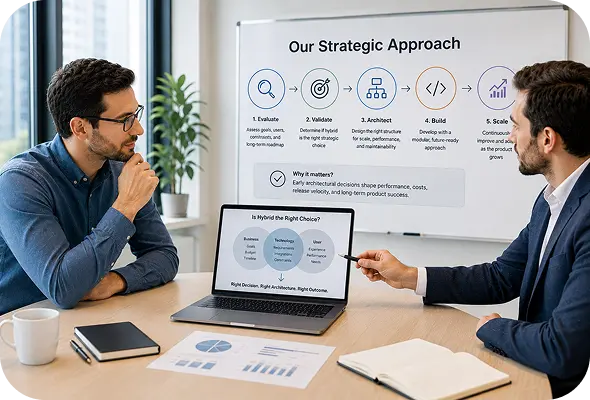
We approach legacy application maintenance as a long-term responsibility, not a short-term engagement. Our delivery model combines consulting-led planning with execution-focused maintenance and upgrade work. Maintenance decisions are grounded in business requirements and system realities - not reactive problem-solving or vendor-driven replacement recommendations that serve the vendor more than the client.
Secure Engagement and Full Intellectual Property Ownership
Experience Across Regulatory and Operational Environments
Improving System Reliability and Cost Predictability
A Long-Term Approach to Legacy System Stability
Secure Engagement and Full Intellectual Property Ownership
Experience Across Regulatory and Operational Environments
Improving System Reliability and Cost Predictability
We approach legacy application maintenance as a long-term responsibility, not a short-term engagement. Our delivery model combines consulting-led planning with execution-focused maintenance and upgrade work. Maintenance decisions are grounded in business requirements and system realities - not reactive problem-solving or vendor-driven replacement recommendations that serve the vendor more than the client.
Cost of Legacy Application Maintenance & Upgrades
What Determines Legacy System Maintenance Cost
The cost of legacy application maintenance depends on system complexity, the scope of accumulated technical debt, integration requirements, and the degree of modernization planned. Routine maintenance involving monitoring, patching, and minor fixes carries a different cost profile than comprehensive refactoring, platform migration, or phased upgrade programs that touch multiple system layers.
Key Factors Influencing Maintenance Investment

Security & Compliance Requirements
Regulatory obligations, security controls, and risk management standards directly influence maintenance effort and investment.

System Management Scope
The number of applications, integrations, and operational systems under management affects ongoing support complexity.

Documentation Availability
Well-documented systems reduce maintenance effort, troubleshooting time, and dependency on discovery work.

Architecture Clarity
Systems with structured architecture and organised codebases are easier and less costly to maintain safely.

Legacy Knowledge Dependency
Lost institutional knowledge increases maintenance risk and requires additional analysis before changes can be implemented.

Assessment-Based Cost Planning
Transparent estimates based on technical assessments help organisations align maintenance budgets with measurable priorities and outcomes.